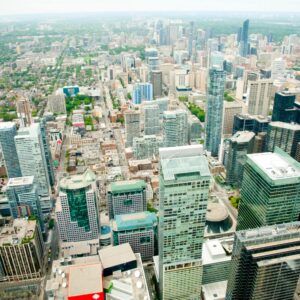
Buying your first home in the Greater Toronto Area (GTA) is a monumental milestone. However, in 2026, the landscape of Toronto real estate has evolved significantly. With shifting interest rates, updated municipal tax regulations, and a hyper-competitive urban market, the “sticker price” of a home is only the beginning of your financial journey.
Many first-time buyers focus entirely on the down payment, only to be blindsided by closing costs—the array of fees, taxes, and administrative expenses required to legally finalize a real estate transaction. In Toronto, these costs typically range from 1.5% to 4% of the purchase price.
This guide provides a deep dive into every expense you need to budget for to ensure your 2026 home-buying experience is seamless, transparent, and surprise-free.
1. The Heavyweight: Land Transfer Tax (LTT)
In Toronto, land transfer taxes are unique because buyers are subject to two separate levies: the Ontario Provincial Land Transfer Tax (PLTT) and the Toronto Municipal Land Transfer Tax (MLTT).
The 2026 Tax Brackets
As of 2026, both the province and the city utilize a graduated tax system. For a standard $1,000,000 property in Toronto, a buyer can expect to pay approximately $32,950 in combined taxes before rebates are applied.
- Provincial Tax: Applies to all home purchases across Ontario.
- Municipal Tax: Applies only to properties within the City of Toronto boundaries (postal codes starting with ‘M’).
The First-Time Buyer Rebate
The good news for 2026 buyers is that significant rebates remain available to offset these costs.
- Provincial Rebate: Up to $4,000.
- City of Toronto Rebate: Up to $4,475.
To qualify for these exemptions, you must be a Canadian citizen or permanent resident, at least 18 years old, and you must never have owned a home (or an interest in a home) anywhere in the world.
2. Legal Fees and Disbursements
You cannot legally close a real estate deal in Ontario without a licensed real estate lawyer. Your legal counsel is responsible for performing title searches, drafting the mortgage deed, ensuring the property is free of liens, and facilitating the transfer of funds.
Professional Legal Fees
This is the fee for the lawyer’s time and expertise. In the 2026 market, expect to pay between $1,000 and $1,800 for a standard residential purchase, depending on the complexity of the title.
Disbursements
These are out-of-pocket expenses your lawyer incurs on your behalf. These include:
- Title Search Fees: Verifying the seller actually owns the property.
- Software Platform Fees: Use of secure digital closing portals.
- Government Registration Fees: Registering the deed and mortgage with the Land Registry Office.
- Courier and Administrative Costs: Secure document transport.Budget roughly $400 to $700 for these combined disbursements.
3. Title Insurance: Your Essential Safety Net
Title insurance is a mandatory requirement for almost every Canadian lender. It protects you and the lender against losses related to title defects, survey errors, encroachment issues, and title fraud.
In 2026, as sophisticated digital identity theft becomes a rising concern in the real estate sector, title insurance is your most critical safeguard. It is a one-time premium paid at closing that lasts as long as you own the home.
- Estimated Cost: $400 – $900 (calculated based on property value).
4. Market Analysis: Closing Cost Trends in 2026
Understanding the 2026 Toronto housing economy requires looking at the “cash-to-close” ratio. While property values have stabilized, the liquidity required for a successful closing has increased due to higher administrative levies and utility adjustments.
| Property Type | Purchase Price | Est. Total Closing Costs (After Rebates) |
| Toronto Condo | $700,000 | $16,000 – $19,000 |
| Townhome | $950,000 | $24,000 – $28,000 |
| Detached Home | $1,500,000 | $55,000 – $62,000 |
Note: These figures include the double land transfer tax unique to the City of Toronto.
5. The Appraisal Fee
Before a bank lends you hundreds of thousands of dollars, they must verify that the property’s market value matches the purchase price. They hire an independent appraiser to evaluate the home. While some lenders waive this fee as a marketing promotion, many require the buyer to cover it upfront or at closing.
- Estimated Cost: $350 – $600.
6. Home Inspection Fee
While not a “legal” requirement for closing, a home inspection is a non-negotiable transactional cost for any prudent buyer. In a 2026 market where many Toronto homes are older or have undergone rapid “flips,” a professional inspection identifies structural issues, outdated knob-and-tube wiring, or basement moisture concerns.
- Estimated Cost: $500 – $800.
7. Interest Adjustments
If you move into your home a few days before your first scheduled mortgage payment period begins, your lender may charge “interest adjustment” for those days. This ensures the lender is compensated for the gap between the closing date and the start of the first mortgage cycle.
8. Statement of Adjustments: Property Tax and Utilities
When a property changes hands, the seller may have already pre-paid certain costs for the remainder of the month or year. Your lawyer will provide a Statement of Adjustments to balance the scales.
- Property Taxes: If the seller paid the taxes for the full year and you take possession in July, you must reimburse them for the six months you will be the owner.
- Utility Refills: If the home uses an oil or propane tank, the seller will fill the tank before closing, and you will reimburse them for the fuel remaining.
- Estimated Budget: $1,000 – $3,500 (highly variable).
9. Mortgage Default Insurance (CMHC) PST
If your down payment is less than 20% of the purchase price, you are required to have mortgage default insurance (provided by CMHC, Sagen, or Canada Guaranty).
While the insurance premium itself is usually added to your mortgage principal and paid over time, the 8% Provincial Sales Tax (PST) on that premium must be paid in full at the time of closing. This is a common “surprise” cost for first-time buyers.
- Example: On a $20,000 insurance premium, you would owe $1,600 in PST at closing.
10. Pre-Construction: The Development Charge Risk
If you are purchasing a pre-construction condo or townhouse in Toronto in 2026, your closing costs will be significantly higher due to “Development Charges” and “Educational Levies.”
Cities use these fees to fund infrastructure like roads and parks. In recent years, these charges have spiked. It is vital that your real estate lawyer negotiates a “cap” on development charges in your initial Agreement of Purchase and Sale to prevent these costs from ballooning.
- Estimated Development Levies: $5,000 – $30,000+ (if not capped).
11. Moving Day and Immediate Costs
Beyond the legal and tax requirements, the physical transition into your new home carries its own set of costs:
- Moving Companies: In 2026, a full-service move within Toronto ranges from $1,200 to $3,000.
- Status Certificate: For condo buyers, this document (costing roughly $100) is essential for your lawyer to review the financial health of the condo corporation.
- Locksmiths: Changing the locks on day one is a recommended safety expense ($200–$400).
Summary Table: Estimated Closing Costs for a $900,000 Toronto Home
| Expense Item | Estimated Cost (First-Time Buyer) |
| Land Transfer Tax (Net of Rebates) | $26,000 |
| Legal Fees & Disbursements | $2,200 |
| Title Insurance | $750 |
| Home Inspection | $600 |
| PST on CMHC Premium | $1,800 |
| Property Tax Adjustments | $1,500 |
| Total Estimated Cash Required | $32,850 |
Strategic Financial Planning for 2026
To ensure a successful home purchase, follow these three expert recommendations:
- Maintain a “Safety Buffer”: Aim to have at least $5,000 in a liquid savings account beyond your calculated closing costs. This covers unexpected adjustments or immediate repairs.
- Request a Detailed Quote Early: Contact a real estate lawyer as soon as your offer is accepted. They can provide an itemized estimate of disbursements so you can finalize your budget.
- Verify Residency Status: Ensure you meet all Canadian residency requirements to avoid the Non-Resident Speculation Tax (NRST), which remains a significant factor in the 2026 Ontario market.
Conclusion: Protecting Your Investment
Navigating closing costs in Toronto is a complex exercise in financial precision. From the unique municipal land transfer tax to the intricacies of the Statement of Adjustments, the margin for error is slim.
Choosing a legal partner who specializes in the Toronto residential market is the most effective way to protect your interests. A dedicated real estate lawyer ensures your title is clear, shields you from fraud, and guarantees that every available first-time buyer rebate is applied to your file.
Secure Your Toronto Real Estate Future
The path to homeownership should be defined by excitement, not financial stress. At Sarkaria Sethi LLP, we prioritize transparency and expertise to ensure your closing day is a success.
If you are ready to take the next step in your home-buying journey, ensure your legal interests are protected by a team that understands the 2026 Toronto market. Visit our website to learn more about our flat-fee legal services and how we help first-time buyers navigate the complexities of closing.